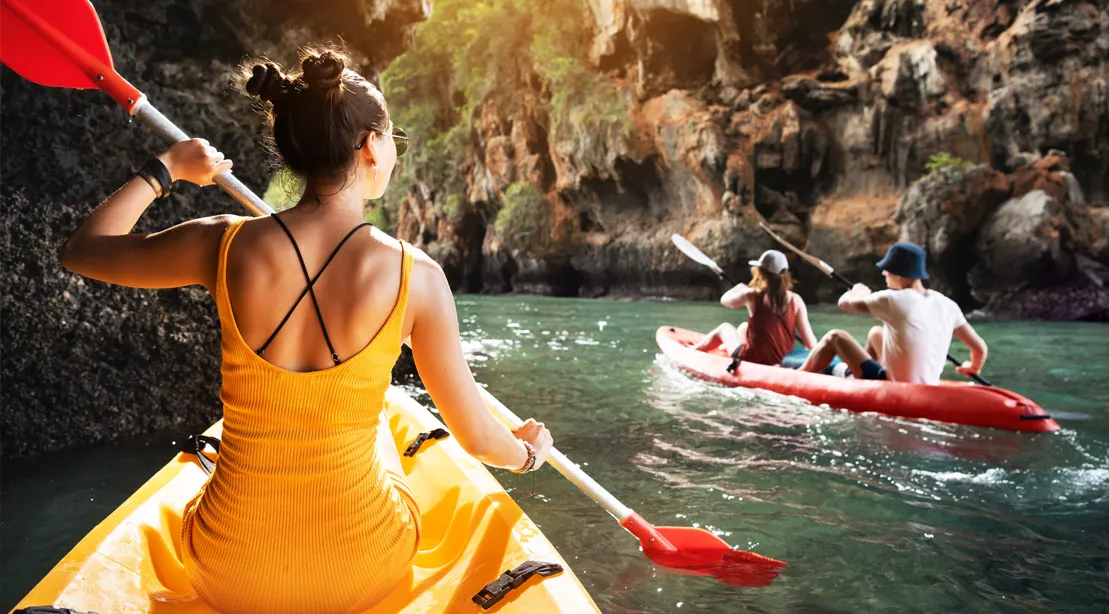
The gym is closed, and the walls around you are closing in; You’re in desperate need of some personal time away from it all. Doing outdoor activities is a great way to get back into shape and out of your daily quarantine routine.As we try to flatten the curve as a community it’s important that we adhere to the CDC guidelines for social distancing.
Keep six feet away from anyone;
Wear masks and gloves; and
Bring disinfectant for good measure.
Our priorities are our health no matter where we are in life. Everything else will fall into place when we focus on that. After all, you won’t be doing any activities if you catch the virus.
With that said, as public parks remain closed in some states, there are still a great number of outdoor activities to get your heart rate up. Being active is good for your mental and physical health. Studies have shown getting sunlight and fresh air improves your well-being. So whether you trek out into the forest on your own or take the family with you, make it a plan to take all the precautionary steps to keep yourself safe outside of the coronavirus.
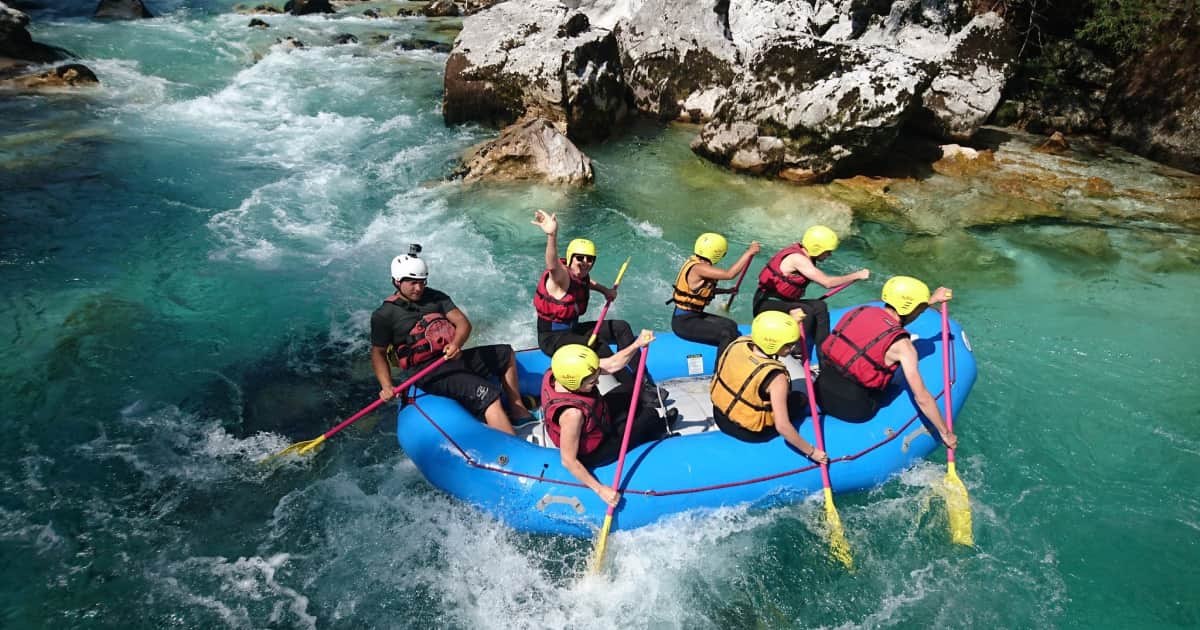
When you do hit the trails make sure you’re familiar with the path, if not make sure you have a map and that the trails are well marked. If you plan on hitting the waters, make sure you have all the necessary equipment to stay afloat. If you do plan on venturing on your own it’s always a good idea to tell someone beforehand. It’s easy to forget that dead zones still exists and getting reception may not be possible.
So get out of your old routine and get outdoors. Hit the refresh button on your old life and enjoy the obstacles that Mother Nature has created for us. Put your strength, stamina, fearlessness and determination to the ultimate test.
Trail Running
Body parts targeted: quads, glutes, calves, and cardio
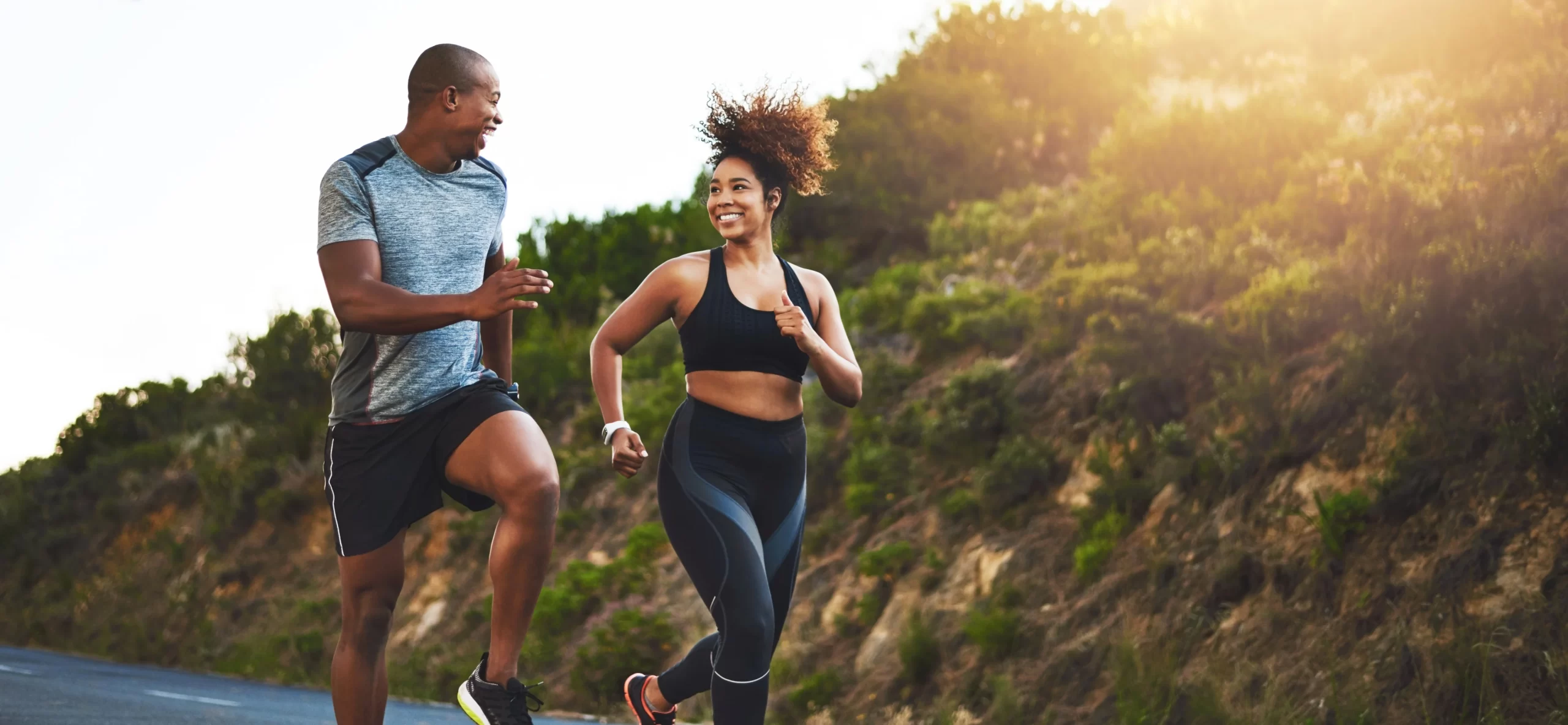
There’s something uniquely grounding about running up a hill. It’s just you, your legs, and your willpower pulling you further up the wandering path. There’s no room for doubt or fear as you maneuver over rocks, roots, streams, and downed trees. Similar to hiking, trail running puts your lower body to work while fully engaging your senses.
Running uphill on uneven terrain challenges your coordination and mental focus relieving stress every step of the way. Smart trail runners power hike up steep hills to conserve energy with longer, more deliberate steps.
Safety is important on the downhill, so land with your hips over your feet to prevent injury.
Intensity tracker: Most trails have a combo of steep and not-so-steep stretches. The steep hills build leg muscle, while flatter terrain trains your stamina and endurance.
Expert tip: “Land with your hips over your feet to prevent knee, hip, and back damage. And to prevent losing toenails, size up ½ to a full size to accommodate the downhills,” says Cyndi Wyatt, REI trail run ambassador and ultra runner.
Mountain Biking
Body parts targeted: quads, glutes, hamstrings, calves, core, and arms
Forget your stationary bike. Trust and spontaneity rule all on the trail making for a thrilling experience for your senses. Whether you’re climbing or descending, the ever-evolving terrain will be full of obstacles that challenge your reflexes, core balance, explosiveness, strength, agility, drive and primal instincts.
There are four important factors that influence your riding experience: body posture, seat position, braking, and preparing to fall. You’ll be in one of two positions at all times, neutral (elbows bent, even weight on the pedals, butt on the seat) or ready (elbows bent, fingers over the brakes, and butt back and in the air.)
When going uphill, you’ll want your seat high enough to maximize the efficiency and power of your leg extensions, and on the down, you’ll want to lower your seat 2-3 inches and put your weight toward the back of the bike, holding the handlebars firmly with fingers on the brakes, ready to adjust velocity for turning, steering, and stopping.
Cliffs, rocks, mud, and loose gravel can come out of nowhere so it’s crucial to be present in mind and body at all times.
Intensity tracker: There are three types of trails: single tracks, double tracks, and fire roads, but most trails have a little of each. Harder trails, called single and double tracks, can mean steeper ascents and trail drops and jumps. Easier trails or fire roads, can be just as demanding on the body but are easier in that the actual terrain is flatter with less obstacles and may not require as much aggressive maneuvering.
Expert tip: “Rather than scan the ground for spots you want to avoid, focus on where you want to go. Pick a path and stick to it to get over and around tricky sections of trail. And if you get stuck in a rut, don’t “fight the bike.” Do your best to ride it out, but if it’s impossible, hike your bike. There’s no shame in stopping and walking it out,” says Steve Tischler, REI outdoor fitness expert.
Rock Climbing
Body parts targeted: legs, core, arms, back, and calves
There’s nothing like the feeling of scaling a mountain with your bare hands to make you feel empowered, sexy, and strong. The many styles of climbing will challenge you in different ways, but if you’re a newbie, you’re most likely going top-roping with an instructor. Here’s what you can expect: You will be securely attached to a rope that passes up through an anchor system to the top of the climb and back down to a belay at the foot of the climb.
Once you’re safely tied in a ready to go, step one to climbing is to find a foothold. Your legs are stronger than your arms so you’ll want to keep your arms straight and place your weight in your feet. Get on you tiptoes and hug your hips to wall keeping your back arched almost like you’re leaning away.
The more you lean, the more weight goes into the legs taking pressure off the arms, which is key to climbing endurance. And don’t forget to breathe! Breathing lowers your heart rate, which helps with mental clarity and focus.
Intensity tracker: there are many factors that determine the intensity of a climb. Weather conditions, altitude, rock-type, steepness and style of climbing are just a few.
Expert tip: “Relax your grip. Only squeeze your hands on the handholds hard enough to prevent them from slipping. Any more and you are wasting muscle energy. Learn from some of the best-certified female guides in an all female environment,” says Elaina Arenz, co-owner of Chicks With Picks.